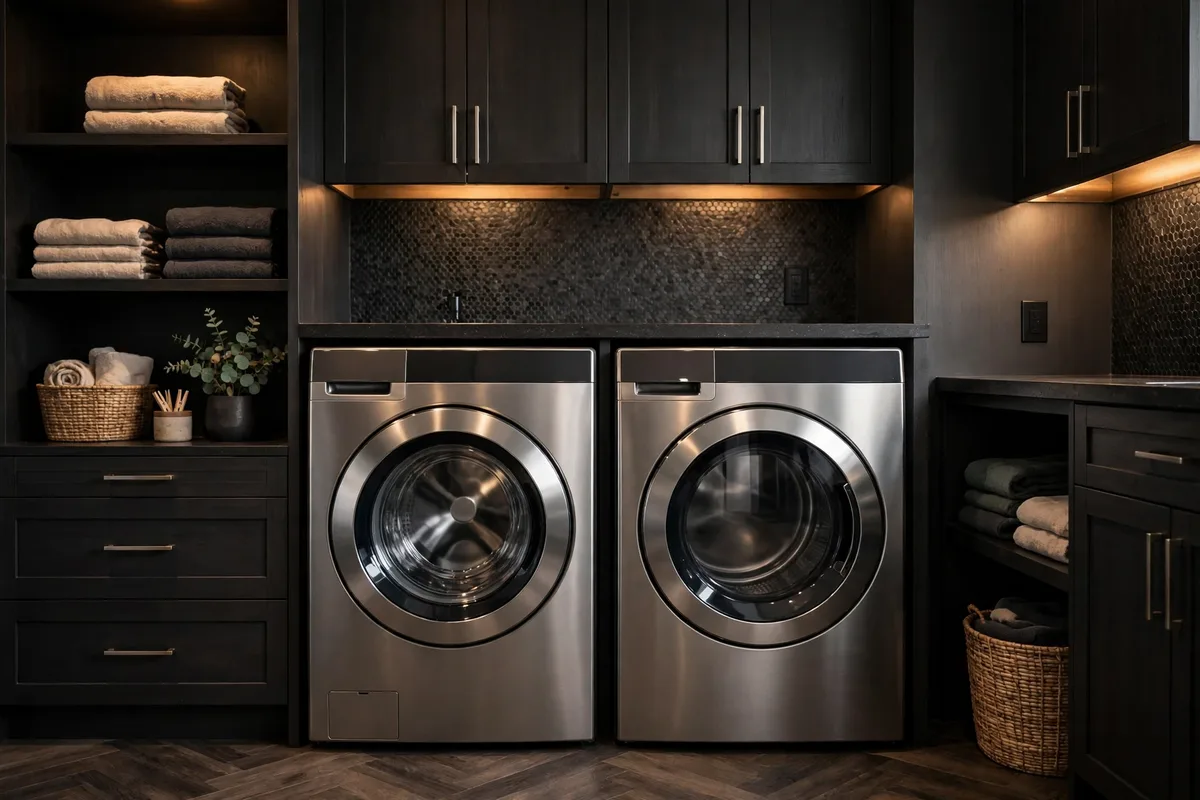
Dryer Repair in San Jose, CA
Dryer not heating or taking too long to dry in San Jose? Find local dryer repair for gas and electric models. Call or request service today.
Learn more →A washing machine that will not drain, spin, or finish a cycle can leave laundry soaked and a household routine on hold. Many washer faults trace back to a small set of causes: a blocked drain, a worn belt or pump, a faulty door lock, or a sensor that stops the cycle. This page explains the main washer types, the most common symptoms, and how a repair professional approaches diagnosis.
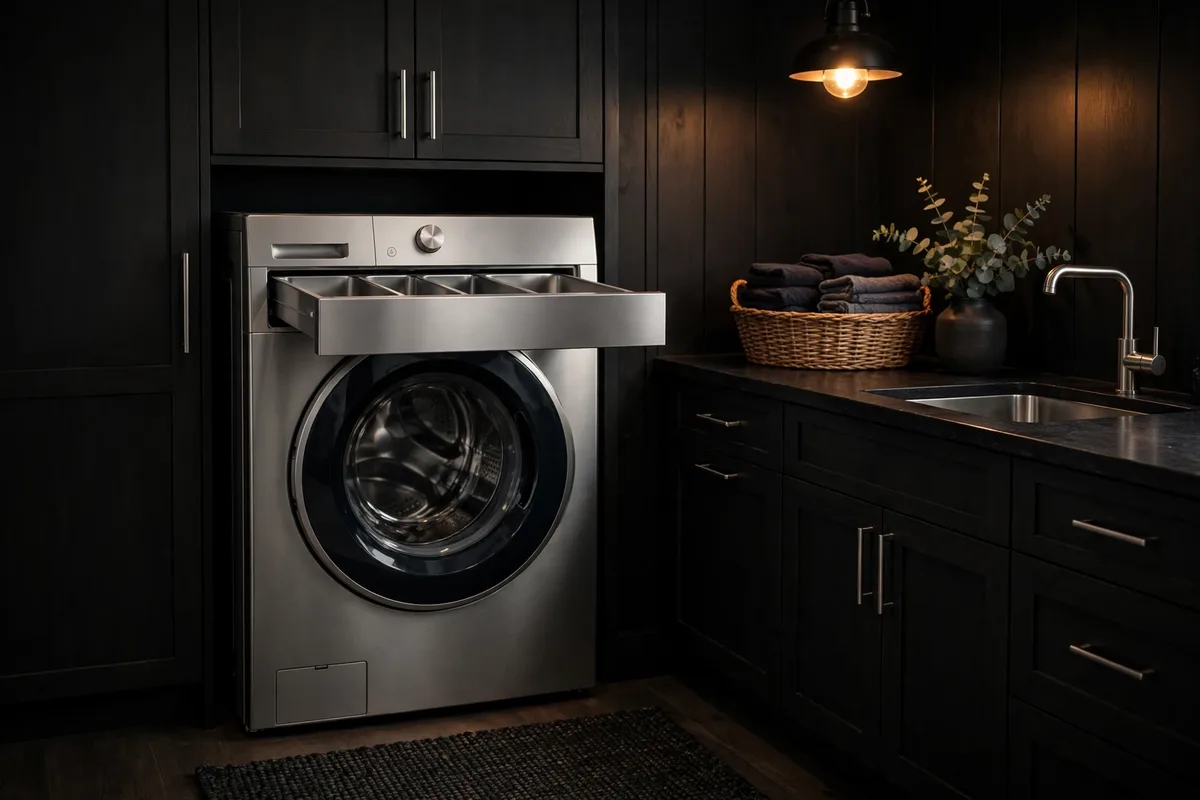
Repair help covers front-load, top-load, high-efficiency, and stackable washing machines. Front-load washers use a horizontal drum and a locking door, top-load washers use a vertical drum with an agitator or impeller, high-efficiency models use less water and rely on sensors, and stackable units pair a washer with a dryer in a compact footprint. The fault pattern differs by design: front-load models are more prone to door-lock and drain issues, while top-load models more often show belt, lid-switch, and balance problems.
A washer that will not drain may have a blocked drain hose, a clogged pump filter, or a failed drain pump. Checking the drain hose for kinks and cleaning the pump filter, where the model allows access, are useful first steps. If water remains after those checks, the pump motor, the drain valve, or the control that drives the drain cycle may need testing. A repair professional can inspect the pump and hoses and check for blockages in the drain path.
A washer that will not spin may have an unbalanced load, a worn drive belt, a faulty lid switch or door lock, or a motor problem. Redistributing the load and checking that the machine sits level often helps with vibration. Excessive shaking can also come from worn suspension rods, shock absorbers, or a drum bearing that has become noisy. If the drum spins freely by hand but not under power, the belt or motor coupling may need attention.
A washer that will not fill may have closed or partially blocked water supply valves, a clogged inlet filter, or a faulty water inlet valve. Leaks can come from the door seal, the detergent drawer, a hose connection, or the drain pump housing. Loud banging during the spin cycle often points to an unbalanced load or worn suspension parts, while grinding or squealing can indicate a bearing or belt problem. Noting when the noise happens, during fill, wash, or spin, helps narrow the cause.
Front-load washers will not start or spin if the door lock does not engage. A faulty lock, a misaligned door, or debris in the latch can prevent the cycle from starting. Error codes on the display can point to a drain fault, a fill fault, an unbalanced load, or a communication problem between the control board and a sensor. Recording the exact code and when it appears helps a repair professional diagnose the fault more quickly.
Diagnosis usually starts with the load, the leveling, the supply valves, and the drain hose, then moves to the pump, belt, motor, door lock, and control board. A repair professional tests components in sequence, checks for error codes, and inspects hoses, seals, and filters for wear or blockage. This approach helps identify whether the problem is a single failed part or a combination of issues, such as a blocked pump and a worn belt together.
Request assistance when the washer will not drain or spin, when water is leaking onto the floor, when there is a burning smell, or when an error code keeps returning after the load is redistributed. Electrical and water-supply work should be left to a qualified repair professional. Repair help covers major household brands commonly found in San Jose homes, including Samsung, LG, Whirlpool, GE, Maytag, Bosch, Frigidaire, and Kenmore, among others.
Repair professionals may work on major appliance brands including Samsung, LG, Whirlpool, GE, Maytag, Frigidaire, KitchenAid, Bosch, Kenmore, and others. Brand and model support varies by location — see the full brand list.
Information and service connections are available across San Jose, California. See the San Jose service areas page for neighbourhoods and ZIP codes covered.
Common causes are a blocked drain hose, a clogged pump filter, or a failed drain pump. Check the hose for kinks and clean the filter if your model allows access. If water still remains, a repair professional can test the pump.
An unbalanced load is the most common cause. Redistribute the laundry and check that the machine is level. Worn suspension rods, shock absorbers, or a drum bearing can also cause heavy vibration.
Leaks often come from the door seal, the detergent drawer, a loose hose connection, or the drain pump housing. Note where the water appears and when in the cycle it starts, as that helps identify the source.
A faulty door lock, a misaligned door, or debris in the latch can prevent locking. If the lock does not engage, the washer will not start. A repair professional can test the lock assembly and the wiring to it.
Error codes point to a specific area, such as draining, filling, balance, or door locking. The exact meaning varies by brand and model. Recording the code and when it appears helps a repair professional diagnose the fault.
Check that both supply valves are fully open and the inlet filters are not clogged. A faulty water inlet valve or a faulty water-level sensor can also prevent filling. If the valves are open and the filters are clean, request assistance.
Dryer not heating or taking too long to dry in San Jose? Find local dryer repair for gas and electric models. Call or request service today.
Learn more →Find repair help in San Jose for Whirlpool, Samsung, LG, GE, Maytag, Bosch, KitchenAid and more major brands. See the brands we service.
Learn more →Standing water in the drum? Common causes - clogged drain pump, blocked hose - and when to call a San Jose washer repair provider.
Learn more →Washer won't spin? Common causes - lid switch, drive belt, drain problems - and when to get San Jose washer repair help.
Learn more →Need appliance repair in San Jose? Call or send a service request — tell us the appliance, brand and problem and request local help.
Learn more →Explore the relevant appliance service or check whether your ZIP code is included in current service coverage.