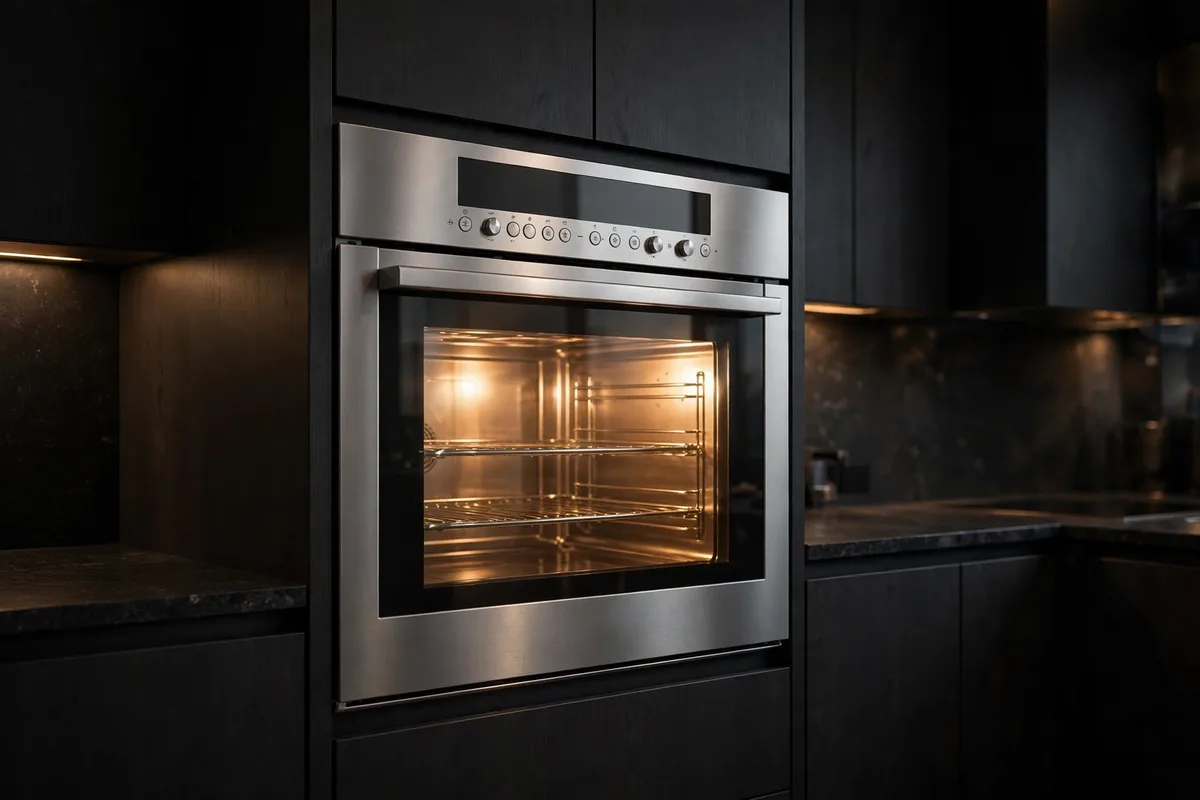
Oven Repair in San Jose, CA
Oven not heating or heating unevenly in San Jose? Get connected with local oven repair providers for gas and electric ovens. Call or request
Learn more →A microwave that runs but does not heat, sparks inside, or stops responding to its buttons can be confusing, because the display may look normal while the food stays cold. Microwaves also contain high-voltage parts that hold a charge after unplugging, so internal repairs are not a do-it-yourself job. This page explains the common faults and why qualified help matters for microwave repair in San Jose.
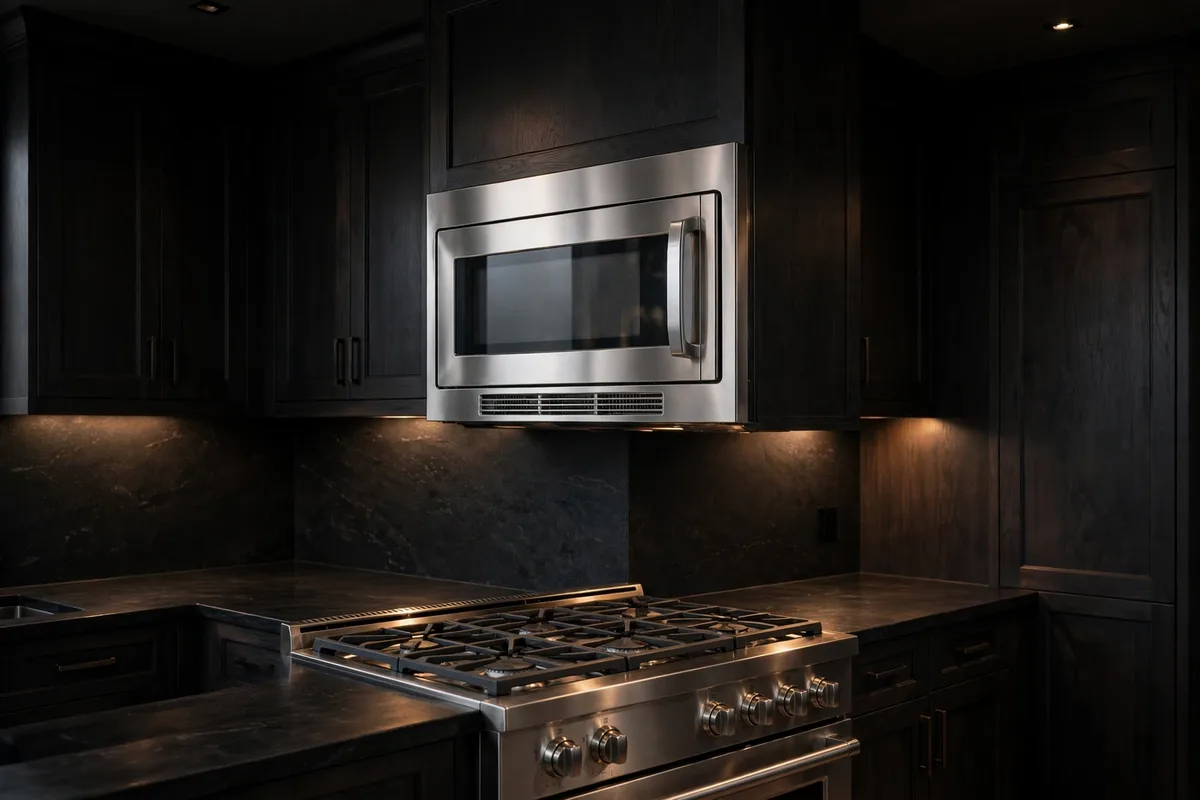
Repair help covers countertop, over-the-range, and built-in microwave models. Countertop models sit on a work surface, over-the-range models are mounted above a stove and include a vent fan and light, and built-in models are fitted into cabinetry or a wall unit. Over-the-range models have extra parts, such as the vent fan and the light assembly, that can also develop faults. The heating system is similar across types, so a microwave that runs without heating is diagnosed in much the same way in each design.
A microwave that runs, lights up, and turns the plate but does not heat food may have a failed magnetron, a faulty high-voltage diode or capacitor, or a door switch that is not engaging fully. The magnetron produces the microwaves that heat food, and it works with high-voltage parts that store a charge. A repair professional can test the door switches first, then check the high-voltage components with the right tools. Never open the cabinet or test high-voltage parts yourself.
A turntable that does not rotate may have a faulty turntable motor, a damaged roller guide, or a control that is not driving the motor. Food that heats unevenly is a common result. Sparking inside the cavity can come from metal left in the microwave, food debris on the waveguide cover, or a damaged waveguide cover. Remove any metal, clean the interior, and stop using the microwave if sparking continues, then request assistance.
A control panel that does not respond may have a faulty touchpad, a failed control board, or a membrane switch that has worn out. A microwave that will not start, or that stops as soon as the door is closed, may have a faulty door switch. Door switches are safety parts: they stop the microwave from running with the door open. If the door does not latch cleanly, or the microwave runs with the door ajar, stop using it and request assistance.
Microwaves contain a high-voltage capacitor that can hold a dangerous charge even after the unit is unplugged. This is why microwave repairs should never be attempted without training and the correct tools. Do not remove the outer cabinet, do not test the magnetron or capacitor yourself, and do not run the microwave with the door open or the door seal damaged. A qualified repair professional knows how to discharge the capacitor safely and test high-voltage parts.
Diagnosis usually starts with the door switches and the control panel, since those are the most common causes of a microwave that will not start or will not respond. If those check out, a repair professional tests the magnetron, diode, and capacitor in sequence. Noting whether the light, fan, and turntable still work, and whether the problem affects heating only or the whole unit, helps narrow the cause before any parts are tested.
Request assistance when the microwave runs but does not heat, when it sparks, when the buttons do not respond, or when the door does not latch properly. Stop using the unit if you see sparking or if it runs with the door open. Repair help covers major household brands commonly found in San Jose homes, including Samsung, LG, Whirlpool, GE, Panasonic, Frigidaire, and Bosch, among others.
Repair professionals may work on major appliance brands including Samsung, LG, Whirlpool, GE, Maytag, Frigidaire, KitchenAid, Bosch, Kenmore, and others. Brand and model support varies by location — see the full brand list.
Information and service connections are available across San Jose, California. See the San Jose service areas page for neighbourhoods and ZIP codes covered.
A failed magnetron, a faulty high-voltage diode or capacitor, or a door switch that is not engaging can cause this. High-voltage parts should only be tested by a qualified repair professional, so request assistance rather than opening the unit.
Metal in the cavity, food debris on the waveguide cover, or a damaged waveguide cover can cause sparking. Remove any metal and clean the interior. If sparking continues, stop using the microwave and request assistance.
A faulty turntable motor, a damaged roller guide, or a control problem can stop the turntable. Food may heat unevenly as a result. A repair professional can test the motor and check the roller guide.
A worn touchpad, a failed membrane switch, or a faulty control board can prevent the buttons from responding. If some buttons work and others do not, the touchpad is a likely cause. A repair professional can test the panel and the board.
No. Microwaves contain high-voltage parts that can hold a charge after unplugging. Internal repairs should only be carried out by a qualified repair professional with the right training and tools.
A faulty door switch, a door that does not latch, or a failed control board can prevent starting. Check that the door closes fully and latches. If it still will not start, request assistance.
Oven not heating or heating unevenly in San Jose? Get connected with local oven repair providers for gas and electric ovens. Call or request
Learn more →Find repair help in San Jose for Whirlpool, Samsung, LG, GE, Maytag, Bosch, KitchenAid and more major brands. See the brands we service.
Learn more →Microwave runs but food stays cold? Common causes - magnetron, door switch, high-voltage faults - and when to call a San Jose provider.
Learn more →Need appliance repair in San Jose? Call or send a service request — tell us the appliance, brand and problem and request local help.
Learn more →Explore the relevant appliance service or check whether your ZIP code is included in current service coverage.