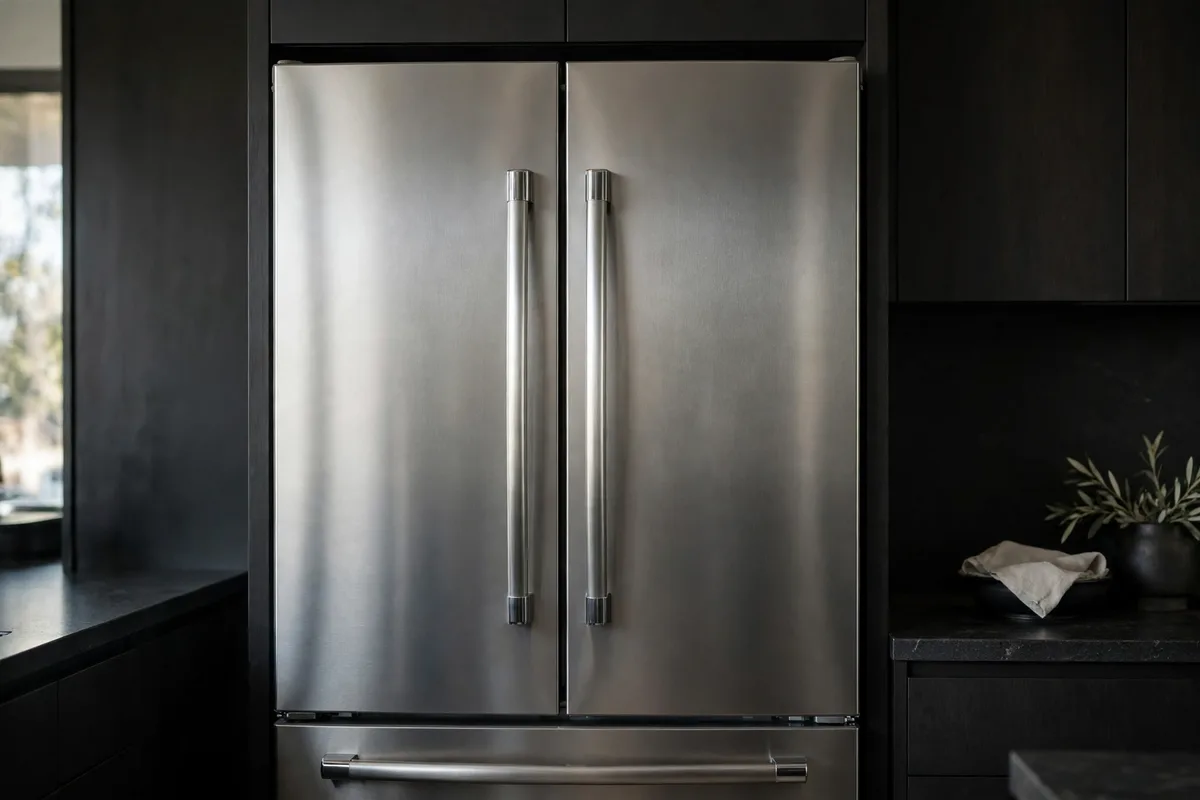
Refrigerator Repair in San Jose, CA
Fridge not cooling or leaking in San Jose? Get connected with local providers for refrigerator repair - all major brands. Call or request se
Learn more →A wine cooler that will not hold temperature, shows condensation on the glass, or vibrates loudly can put a collection at risk. Wine coolers are more sensitive to temperature swings than a standard refrigerator, because even a few degrees can affect storage conditions. This page explains the common symptoms, the parts involved, and how a repair professional approaches diagnosis for wine coolers in San Jose homes.
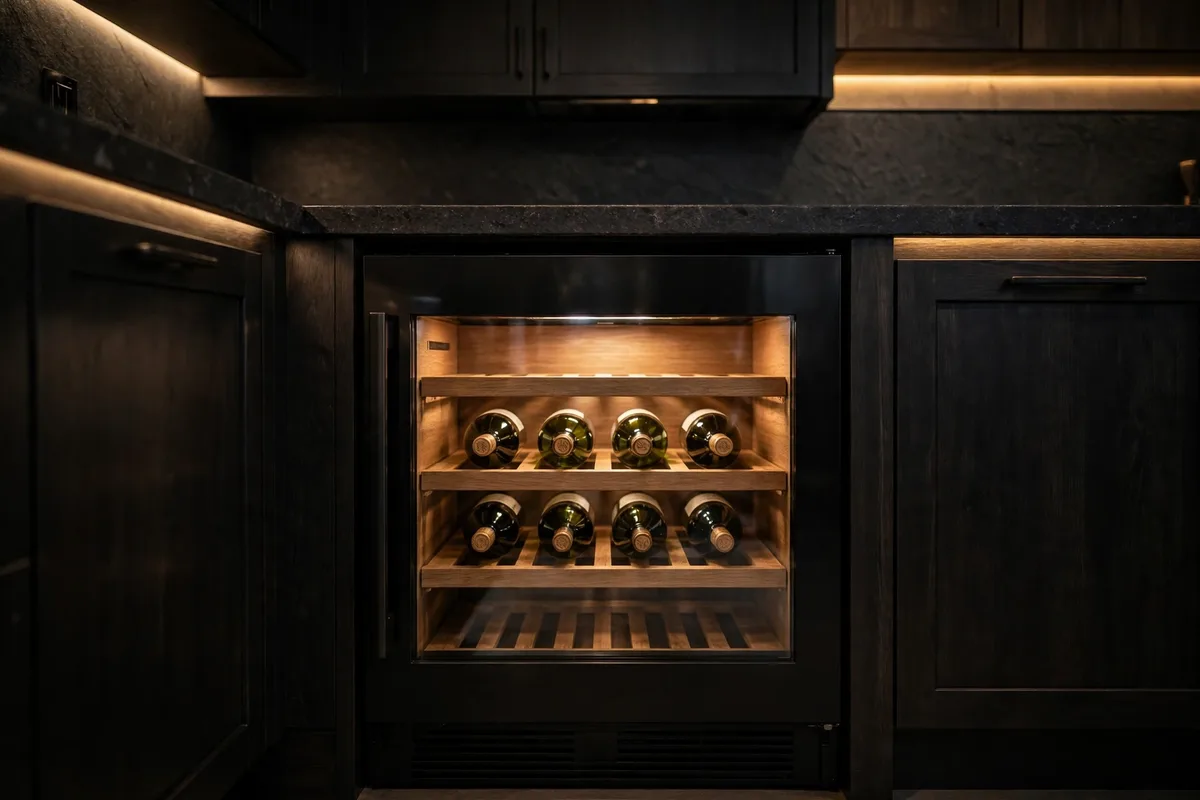
Repair help covers built-in and freestanding wine coolers, including single-zone and dual-zone models. Built-in units are fitted into cabinetry with front ventilation, while freestanding units need clearance around the sides and back for warm air to escape. Single-zone models hold one temperature throughout, while dual-zone models keep two sections at different temperatures for red and white wine. Compressor models cool with a refrigeration system, while thermoelectric models use a quieter solid-state system for smaller units.
A wine cooler that does not cool may have a faulty thermostat, a failed compressor, a fan that has stopped, or a problem with the temperature sensor. Checking that the controls are set correctly, that the door closes fully, and that ventilation around the unit is clear is a useful first step. If the compressor runs but the temperature does not fall, the sealed system or the fan may need attention. A repair professional can test the thermostat, the fan, and the compressor in sequence.
Temperature swings can come from a faulty thermostat, a sensor that reads incorrectly, a door seal that lets warm air in, or a fan that only runs intermittently. Frequent door opening, a warm room, or blocked ventilation can also make temperatures drift. A thermometer placed inside the cooler gives a useful reading to compare against the display. If temperatures swing by several degrees or one zone stays warm while the other holds, a repair professional can test the sensors and the cooling system.
Condensation on the glass door often follows from high humidity, a door seal that is not holding, or a door left ajar. A small amount of condensation in humid weather can be normal, but persistent moisture inside the cabinet points to a seal or airflow problem. Vibration or humming can come from the compressor, a fan, or the unit not sitting level. A rattling sound may be as simple as bottles touching the interior wall, while a loud or constant noise points to a fan or compressor that needs attention.
The fan circulates cool air inside the cabinet, the thermostat controls when the compressor runs, the compressor drives the cooling cycle, and the door seal keeps warm air out. A fault in any one of these parts can cause temperature problems: a failed fan leaves cold air near the evaporator, a faulty thermostat may not call for cooling, and a worn seal lets humid air in. A repair professional inspects these parts together, since a seal problem can make a healthy compressor run longer than it should.
Diagnosis usually starts with the controls, the door seal, and the ventilation clearances, then moves to the fan, thermostat, sensor, and compressor. A repair professional checks the temperature in each zone, listens for normal fan and compressor sounds, and tests components in sequence. This approach helps identify whether the fault is a single part, such as a fan motor, or a combination of issues, such as a worn seal and a faulty sensor together.
Request assistance when the wine cooler will not cool, when temperatures swing widely, when condensation persists inside the cabinet, or when there is a loud or constant noise. Electrical and sealed-system work should be left to a qualified repair professional. Repair help covers major household brands commonly found in San Jose homes, including Samsung, LG, Whirlpool, GE, Bosch, Frigidaire, and KitchenAid, among others.
Repair professionals may work on major appliance brands including Samsung, LG, Whirlpool, GE, Maytag, Frigidaire, KitchenAid, Bosch, Kenmore, and others. Brand and model support varies by location — see the full brand list.
Information and service connections are available across San Jose, California. See the San Jose service areas page for neighbourhoods and ZIP codes covered.
A faulty thermostat, a failed compressor, a fan that has stopped, or a sensor problem can prevent cooling. Check the controls, the door seal, and the ventilation clearances first. If the compressor runs but the temperature does not fall, request assistance.
A faulty thermostat or sensor, a worn door seal, or blocked ventilation can cause temperature swings. A thermometer inside the cooler can confirm the range before requesting a diagnostic visit.
High humidity, a door seal that is not holding, or a door left ajar can cause condensation. Persistent moisture inside the cabinet points to a seal or airflow problem that a repair professional can inspect.
Vibration can come from the compressor, a fan, or the unit not sitting level. Check that bottles are not touching the interior walls and that the unit is level. A loud or constant noise points to a fan or compressor fault.
A single-zone cooler holds one temperature throughout the cabinet, while a dual-zone cooler keeps two sections at different temperatures. If one zone holds temperature and the other does not, the fault may be in the sensor or fan for that zone.
That depends on the age of the unit, the part involved, and how well it has worked otherwise. A repair professional can explain the fault and the repair options so you can decide what makes sense for your situation.
Fridge not cooling or leaking in San Jose? Get connected with local providers for refrigerator repair - all major brands. Call or request se
Learn more →Find repair help in San Jose for Whirlpool, Samsung, LG, GE, Maytag, Bosch, KitchenAid and more major brands. See the brands we service.
Learn more →Need appliance repair in San Jose? Call or send a service request — tell us the appliance, brand and problem and request local help.
Learn more →Explore the relevant appliance service or check whether your ZIP code is included in current service coverage.