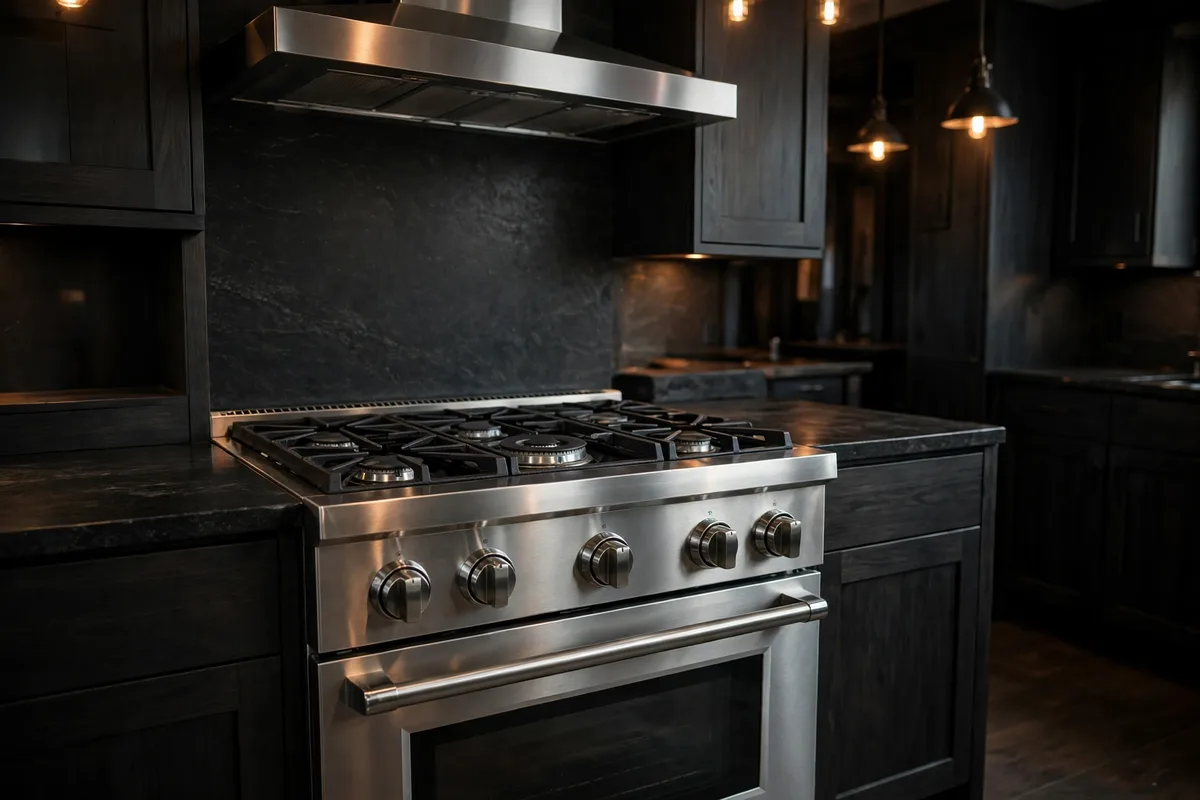
Stove & Range Repair in San Jose, CA
Gas stove not igniting, burners not working, or oven and cooktop in one unit acting up? Find stove and range repair help in San Jose, CA.
Learn more →A cooktop is the standalone hob surface built into a kitchen counter, separate from any oven. It may sit above a wall oven or stand alone in an island, and it has its own burners or heating zones, its own controls, and its own gas or electrical supply. When a burner will not ignite, a heating zone stays cold, or the glass surface cracks, the problem is confined to the hob itself. This page explains the main cooktop types, the common faults, and when to request assistance from a qualified repair professional.
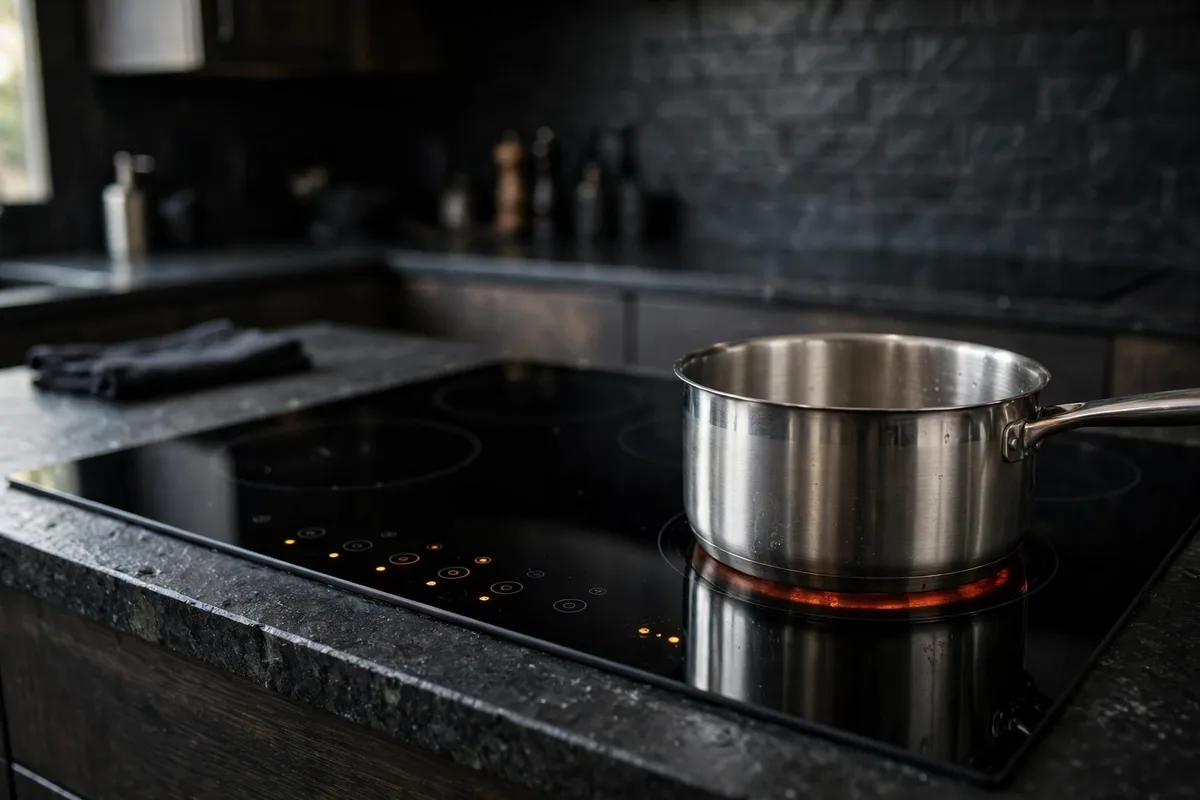
A range is a combined unit with an oven below and burners above, sharing one body and often one control panel. A cooktop has no oven cavity at all: it is a flat hob fitted into a cutout in the countertop, with burners or heating zones on its surface and controls along its edge or on its glass top. That difference matters for diagnosis. A cooktop fault affects only the hob surface, while the oven below it, if there is one, is a separate appliance with its own controls and supply. Repair help for cooktops focuses on the burners, the heating elements, the ignition system, and the hob controls.
Repair help covers gas, electric coil, smooth-top radiant, and induction cooktops, in the sizes commonly fitted into San Jose kitchens. Gas cooktops use open burners with an igniter and a burner cap over each burner. Electric coil cooktops use raised coil elements that sit in drip pans. Smooth-top cooktops use radiant elements beneath a flat glass-ceramic surface. Induction cooktops use a magnetic field to heat compatible pans directly, with the glass surface staying cooler than a radiant top.
On a gas cooktop, a burner that will not light may have a clogged burner port, a burner cap that is not seated correctly, a wet igniter after a spill, or a faulty igniter. Continuous clicking usually points to a wet or dirty igniter, a misaligned cap, or a faulty ignition switch. Because a standalone cooktop has no oven to share parts with, a fault that affects every burner at once is more likely to involve the spark module or the power supply to the hob. Letting a wet igniter dry fully and reseating the burner caps are useful first steps. If clicking continues or no burner sparks, a repair professional can test the igniters and the spark module.
On an electric coil cooktop, a burner that does not heat, heats only on one setting, or develops a hot spot may have a faulty element or a failed infinite switch that controls it. On a smooth-top radiant cooktop, a heating zone that stays cold or heats unevenly may have a failed radiant element or a faulty control. A cracked glass surface should not be used, because it can expose wiring and let spills reach the parts underneath. A repair professional can test the element and the switch to find which one has failed.
Induction cooktops only heat pans made from magnetic material, so a pan that is too small, warped, or made from non-magnetic metal may not register at all. If a compatible pan still does not heat, the cause may be a sensor fault, a control fault, or a problem with the induction coil for that zone. Induction hobs may also show an error code or a flashing zone indicator when they cannot detect a pan. A repair professional can check the controls and the coil for the affected zone and confirm whether the cookware is compatible.
Cooktop controls may be knobs, touch pads, or a digital display set into the glass. A knob that turns without changing the heat, a touch control that does not respond, or a display that shows an error code can point to a faulty switch, a worn touch panel, or a failed control board. A cooktop that does not respond at all may have a tripped breaker or a power supply problem. Checking the breaker and confirming the display lights up are useful first steps before requesting a diagnostic visit.
Gas cooktops need careful handling. If you smell gas, do not light a match, do not switch electrical devices on or off, and leave the area promptly, then follow local gas safety guidance. Never attempt to repair a gas valve, a gas line, or a gas regulator yourself. For electric and induction cooktops, never use a cracked glass surface and never attempt to repair internal wiring or high-voltage parts yourself. Request assistance when a burner will not light, when clicking continues, when a heating zone stays cold, when the glass is cracked, or when a control does not respond. Repair help covers major household brands commonly found in San Jose homes, including Samsung, LG, Whirlpool, GE, Bosch, Frigidaire, KitchenAid, and Maytag, among others.
Repair professionals may work on major appliance brands including Samsung, LG, Whirlpool, GE, Maytag, Frigidaire, KitchenAid, Bosch, Kenmore, and others. Brand and model support varies by location — see the full brand list.
Information and service connections are available across San Jose, California. See the San Jose service areas page for neighbourhoods and ZIP codes covered.
A cooktop is a standalone hob surface fitted into a countertop, with no oven attached. A range is a combined unit with an oven below and burners above. A cooktop fault affects only the hob, while a range fault can involve the oven as well.
A clogged burner port, a burner cap that is not seated correctly, a wet igniter, or a faulty igniter can prevent lighting. Let a wet igniter dry fully and check the cap seating. If the burner still will not light, request assistance.
Continuous clicking often comes from a wet or dirty igniter, a misaligned burner cap, or a faulty ignition switch. If every burner clicks and none sparks, the spark module may need attention. A repair professional can test the ignition system.
A failed heating element or a faulty infinite switch can leave one zone cold while the others work. A repair professional can test the element and the switch for the affected zone to find the cause.
Induction cooktops only heat magnetic cookware. A pan that is too small, warped, or made from non-magnetic material may not register. If a compatible pan still does not heat, a sensor or control fault may need attention.
No. A cracked glass surface can expose wiring and let spills reach the parts underneath, which creates a safety risk. Stop using the cooktop and request assistance from a qualified repair professional.
Gas stove not igniting, burners not working, or oven and cooktop in one unit acting up? Find stove and range repair help in San Jose, CA.
Learn more →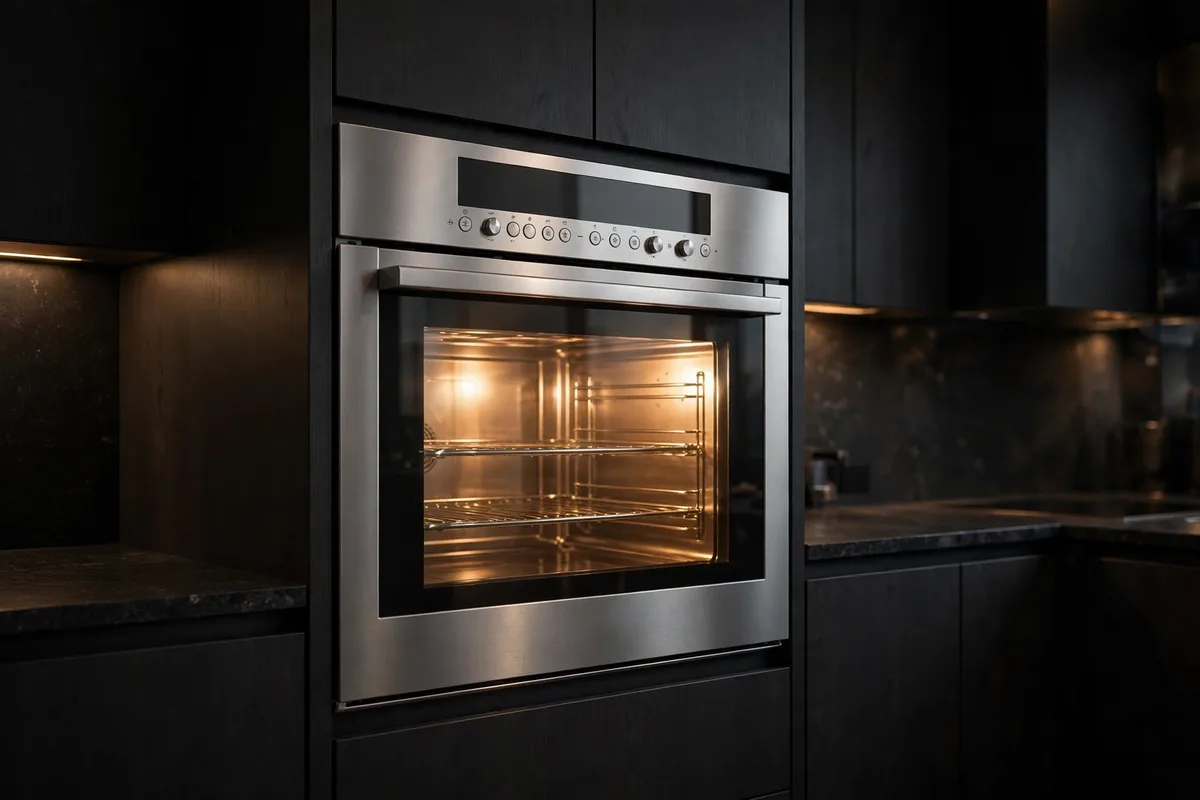
Oven not heating or heating unevenly in San Jose? Get connected with local oven repair providers for gas and electric ovens. Call or request
Learn more →Find repair help in San Jose for Whirlpool, Samsung, LG, GE, Maytag, Bosch, KitchenAid and more major brands. See the brands we service.
Learn more →Gas stove clicking nonstop or burners not igniting? Common causes and safety notes - plus when to call a San Jose stove repair provider.
Learn more →Need appliance repair in San Jose? Call or send a service request — tell us the appliance, brand and problem and request local help.
Learn more →Explore the relevant appliance service or check whether your ZIP code is included in current service coverage.