Why Is My Washer Not Spinning?
A washer that will not spin often has a load that is out of balance, a lid or door that is not fully closed, or a drain problem that stops the cycle before the spin step. It can also be caused by a worn drive part or a control issue. Redistribute the load, confirm the door or lid is closed, and check whether the machine drained first, then request help if the drum still does not spin.
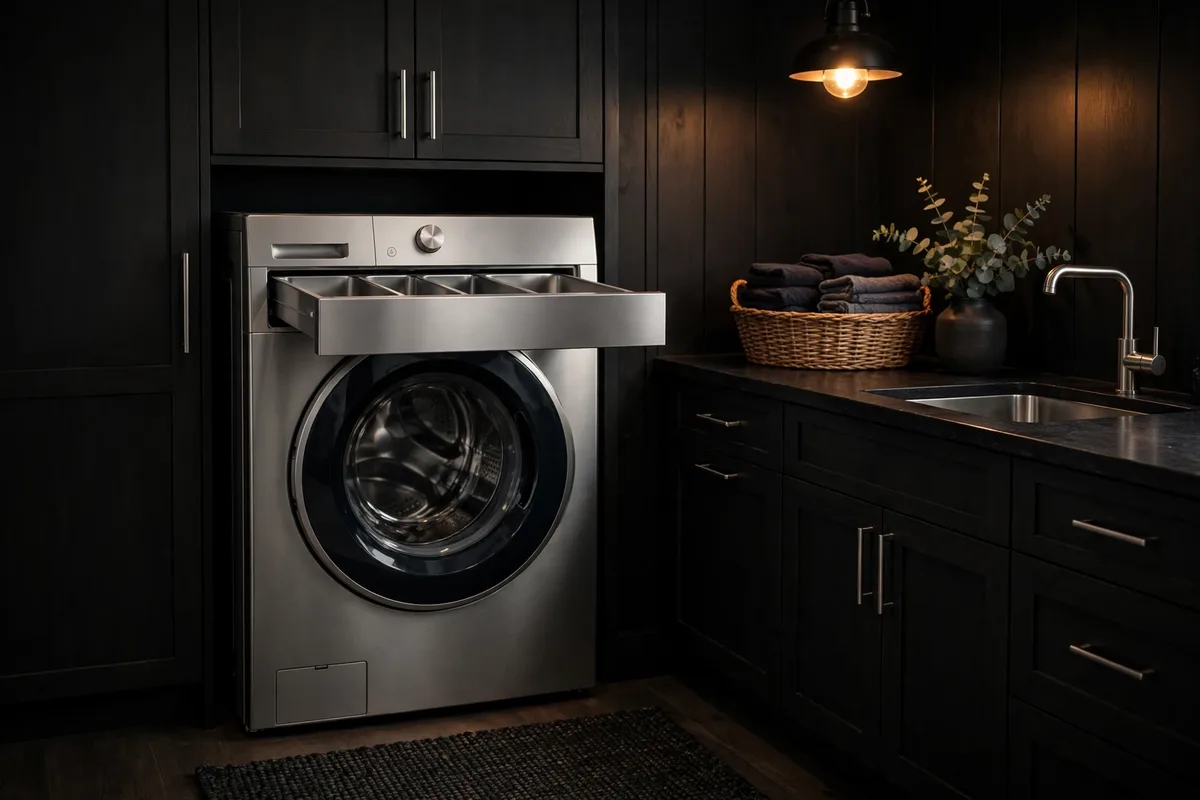
Wet clothes at the end of a cycle usually mean the spin step did not run or did not finish. The spin step removes most of the water from the load, so when it is skipped the clothes come out heavy and dripping. Some causes are simple to correct, while others involve parts inside the machine that need professional attention. This guide separates the two.
Common Reasons a Washer Will Not Spin
The spin step depends on the drum being able to turn freely and on the machine sensing that the load is balanced. A single heavy item, such as a blanket or a large towel, can bunch on one side and make the drum shake, which prompts the machine to slow down or stop the spin to reduce vibration. A load that is too large can have the same effect.
Other causes include a lid or door switch that does not register as closed, a drain problem that leaves water in the drum, or a worn belt, motor part, or drive component. The machine may also pause the spin if it detects that the load is still too wet or too heavy to spin safely.
Safe Checks You Can Try First
Open the machine if it is safe to do so and spread the load evenly around the drum. Remove a few heavy items if the load is very large, then close the lid or door firmly and run a drain and spin cycle again. Listen for whether the machine attempts to spin or stays silent, because that difference is useful information.
Check that the lid or door closes fully and that nothing is caught in the seal or latch. If the machine did not drain, address the standing water first, since many models will not spin while water remains in the drum. Avoid running repeated spin cycles on the same unbalanced load, which can increase vibration without fixing the balance.
- Redistribute the load evenly and remove a few heavy items if needed
- Close the lid or door firmly and confirm nothing blocks the latch
- Check whether the drum drained before the spin step
- Run one drain and spin cycle after redistributing, rather than several in a row
What a Repair Professional May Inspect
A qualified repair professional may inspect the lid or door switch, the drive belt or direct-drive parts, the motor, the drain pump, and the control that runs the spin cycle. The professional may also check the suspension parts that keep the drum steady, because worn suspension can make the machine shake and stop the spin.
These parts sit inside the cabinet and often require removing panels or testing electrical components, so they are not homeowner tasks. A professional can identify whether the cause is a switch, a drive part, a drain issue, or a control problem, and can explain the repair options before work begins.
Reducing Vibration and Protecting the Machine
A washer that shakes heavily during spin can move across the floor, damage nearby items, and wear out its own parts. Make sure the machine sits level and that all four feet touch the floor firmly. Small, mixed loads generally spin more evenly than a single large item, so wash bulky items with a few other items of similar weight when the care labels allow it.
Do not overload the drum, and avoid washing a single heavy item on its own when possible. If the machine walks across the floor or bangs loudly during spin, stop the cycle, redistribute the load, and request help if the problem continues on balanced loads.
When to Request Professional Help
Request assistance if the drum does not spin after the load has been redistributed, if the machine makes grinding, squealing, or loud banging sounds, or if the lid or door switch seems loose or unresponsive. A burning smell, a tripped breaker, or water leaking from the machine are also reasons to request help promptly.
Also request help if the spin problem happens on most loads, if the machine stops with the same behavior each time, or if you notice the drum feels loose or wobbles by hand when empty. Describe the sounds and whether the machine drained, because those details help a San Jose repair professional prepare for the visit.
Frequently Asked Questions
Why are my clothes soaking wet after the wash?
Soaking wet clothes usually mean the spin step did not run or did not finish. An out-of-balance load, a lid or door that did not register as closed, or a drain problem can all stop the spin. Redistribute the load, confirm the door is closed, and run a drain and spin cycle again.
Can I run a spin cycle again after redistributing the load?
Yes, in most cases you can run a drain and spin cycle once after spreading the load evenly. Remove a few heavy items if the load is very large. If the machine still does not spin, avoid repeated attempts and request help, because the cause may be a part inside the machine.
Why does my washer shake so much during spin?
Heavy shaking is often caused by an unbalanced load, an unlevel machine, or worn suspension parts. Redistribute the load and check that the machine sits level with all feet on the floor. If shaking continues on balanced loads, a repair professional should inspect the suspension and drive parts.
Does a washer spin if it has not drained?
Many models will not spin while a large amount of water remains in the drum, because spinning a full drum is unsafe for the machine. If water remains, check the drain filter and hose first, then request help if the water does not clear.