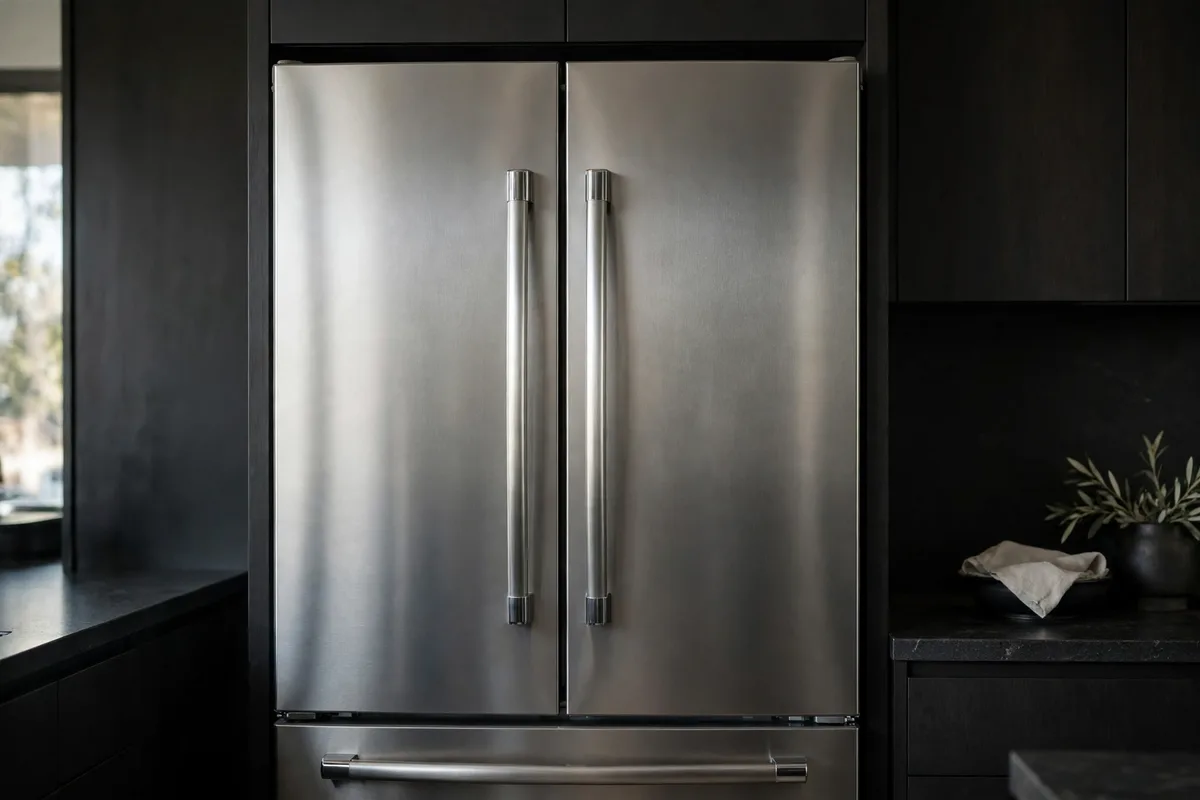
Why Is My Freezer Not Freezing?
A freezer that is not freezing may have a temperature setting that was changed, a door or lid that is not sealing, blocked air vents, or a fan that is not circulating cold air. It can also be caused by heavy frost buildup or a problem with the cooling system. Start with the settings, the seal, and the vents, and move frozen food to another freezer or a cooler with ice while you investigate.
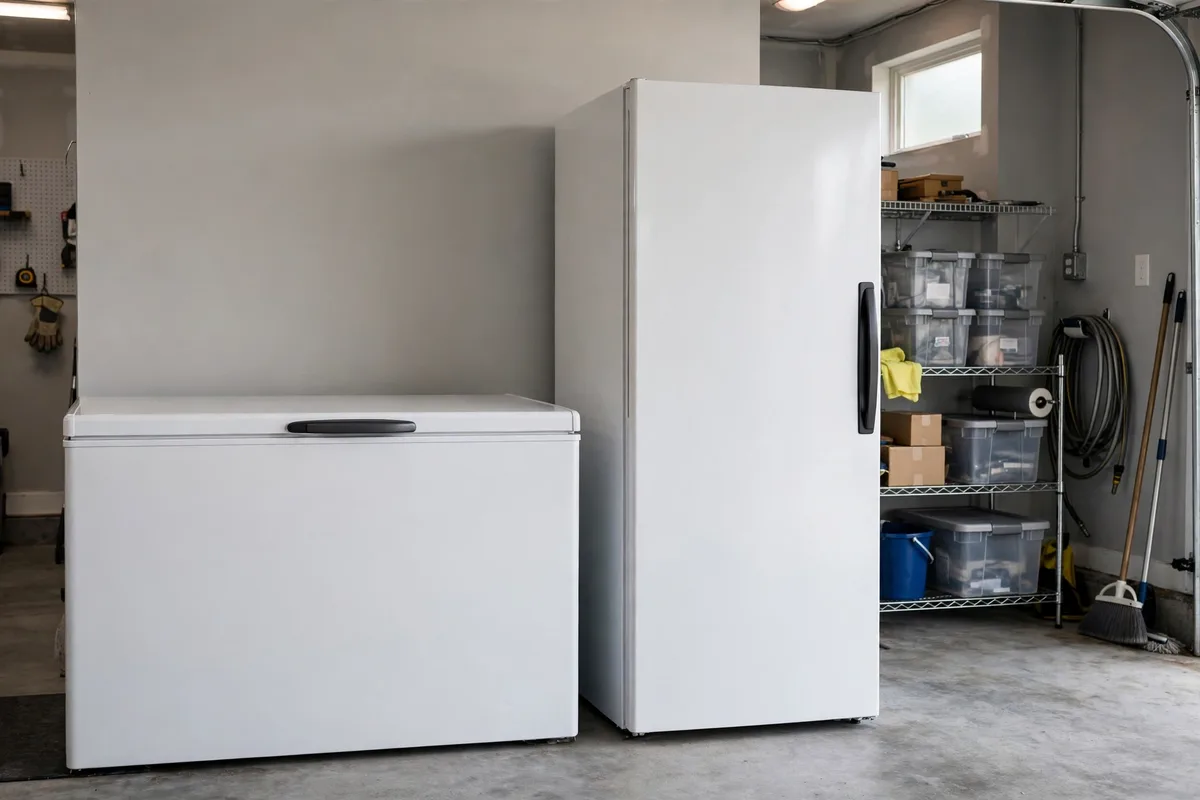
A freezer that warms up puts stored food at risk, so it helps to act quickly and methodically. The cause may be as simple as a lid left slightly open or a setting changed by accident, or it may be a part that needs professional attention. This guide walks through the checks in order, explains what a professional may inspect, and covers food safety while the unit is warm.
Common Causes of a Warm Freezer
Freezers rely on steady cold air circulation and a tight seal to hold temperature. When warm air leaks in through a worn seal or a lid that does not close fully, the unit has to work much harder and may never reach its target temperature. Frost buildup can make the problem worse by blocking vents and insulating the cooling surfaces.
Other causes include a fan that has stopped, a condenser that is covered in dust, or a control that is not calling for cooling. In some cases the refrigerator section still feels cold while the freezer warms up, which can point to a specific airflow or control issue rather than a complete cooling failure.
Safe Checks You Can Try First
Check the temperature setting first and confirm it has not been moved. Most freezers hold food well near 0 degrees Fahrenheit, so a setting that drifted warmer can explain soft ice cream and partially thawed items. Allow several hours after any change before judging the result, and use a freezer thermometer for a clearer reading than touch alone.
Inspect the door or lid seal for tears, warping, or food that blocks it from closing. Wipe the seal with a damp cloth and remove any item that stops the lid or door from seating fully. Inside, move food away from the vents, avoid overpacking, and leave some space for air to move. If frost is very thick, note it for the repair professional rather than chipping at it, which can damage the interior surfaces.
- Confirm the temperature setting and allow several hours for recovery
- Check the seal for damage and for items blocking the door or lid
- Move food away from air vents and leave space for air to circulate
- Note heavy frost buildup and mention it when requesting help
What a Repair Professional May Inspect
A qualified repair professional may inspect the evaporator fan, the condenser fan, the compressor and its starting parts, the temperature sensors, and the control board. The professional may also look at frost patterns on the cooling coils, which can reveal whether air is circulating, whether the defrost system is working, or whether the cooling system itself is at fault.
These checks often involve removing panels and testing electrical parts, so they belong to a professional visit. The professional can explain whether the cause is a single part, a defrost issue, or a larger cooling problem, and can describe the repair options before work begins.
Food Safety When a Freezer Warms Up
Move frozen food to another working freezer or to a cooler with ice as soon as you notice the problem. Food that still contains ice crystals and feels very cold may still be safe to refreeze in many cases, but food that has thawed fully and warmed up should be handled with care. When in doubt about a perishable item, discard it rather than risk eating food that has been held at an unsafe temperature.
Keep the door or lid closed as much as possible while you wait, because every opening lets warm air in. Do not turn the control to its coldest setting and leave it there, since that rarely fixes the underlying cause. Note when the problem started and which foods were affected, so you can describe the situation accurately when requesting help.
When to Request Professional Help
Request assistance if the freezer stays warm after the settings, seal, and vents have been checked, if frost builds up again quickly after being cleared, or if you hear repeated clicking, buzzing, or silence where a fan used to run. A burning smell, tripped breakers, or damage to the power cord are reasons to unplug the unit if it is safe to do so and request help promptly.
Also request help if the unit runs constantly without reaching temperature, if it cycles on and off in short bursts, or if the problem affects both the freezer and the refrigerator section. A clear description of the sounds, the frost pattern, and the temperature reading helps a San Jose repair professional prepare for the visit.
Frequently Asked Questions
How cold should a freezer be?
Most freezers hold food well near 0 degrees Fahrenheit. A freezer thermometer gives a more useful reading than the dial setting, because dial positions vary between models and the actual temperature can differ from the setting.
Can I refreeze food that thawed in a warm freezer?
Food that still contains ice crystals and feels very cold may still be safe to refreeze in many cases, but food that thawed fully and warmed up should be handled with care. When you are unsure about a perishable item, discard it rather than eating food that may have been held at an unsafe temperature.
Why does frost build up so fast in my freezer?
Fast frost buildup is often linked to warm, moist air entering through a worn seal, a door left open, or frequent opening in humid weather. A faulty defrost system can also allow frost to accumulate. A repair professional can check the seal and the defrost parts to find the cause.
How long does a freezer take to get cold again?
A freezer can take several hours, and sometimes a full day, to return to its target temperature after a setting change or after warm food has been added. Keep the door closed, avoid adding warm items, and check the temperature with a thermometer rather than by touch alone.