Why Is My Dishwasher Not Draining?
A dishwasher that will not drain often has a blocked filter, a clogged drain hose, or a problem with the air gap or garbage disposal connection. It can also be caused by a drain pump that is not running. Clean the filter, check the drain hose and disposal connection if they are easy to reach, and request help if standing water remains or the pump makes no sound.
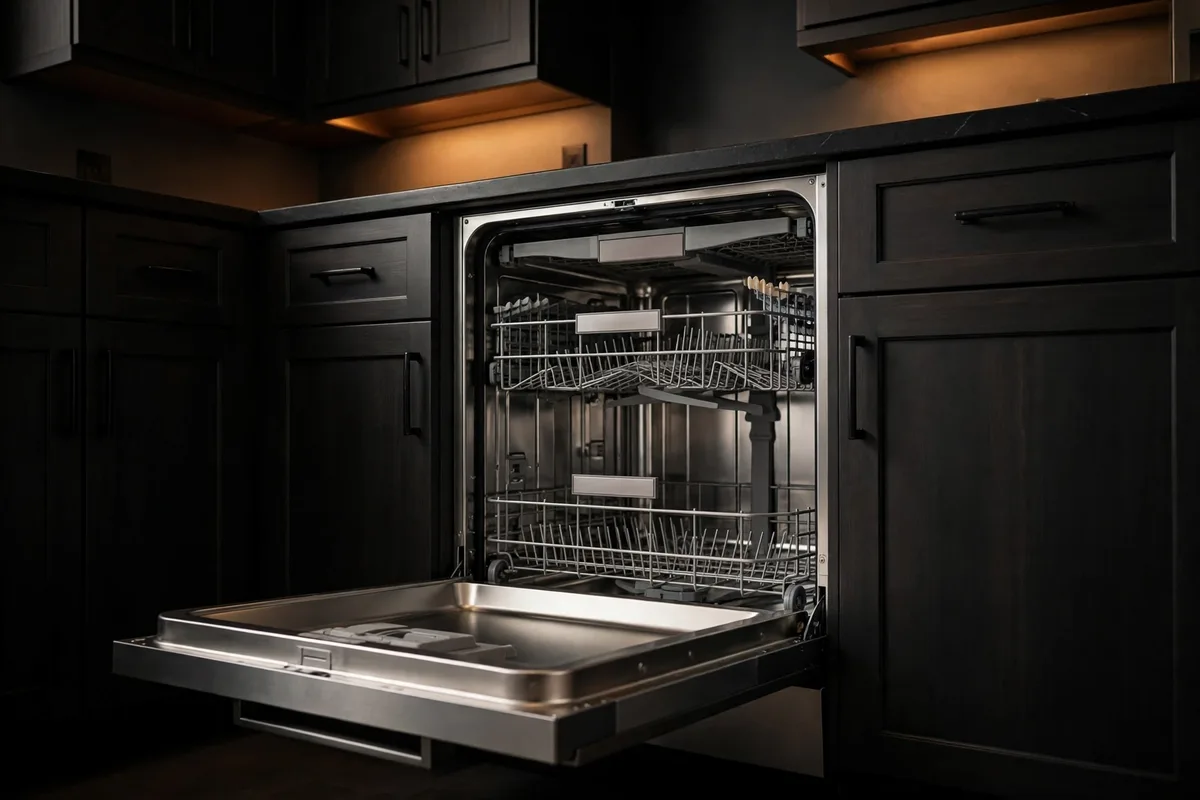
Standing water in the bottom of a dishwasher is easy to spot when the door is opened after a cycle. The cause is usually in the drain path, and some parts of that path are designed for the homeowner to clean. This guide explains which checks are safe, what to avoid, and when a professional should inspect the pump and drain system.
Common Reasons a Dishwasher Will Not Drain
A dishwasher drains through a filter, a pump, and a hose that leads to the sink drain or garbage disposal. Food debris can collect in the filter, and grease or small items can narrow the hose over time. If the dishwasher connects to a garbage disposal, a new disposal may still have a plug in the dishwasher inlet that blocks the drain path.
An air gap, where one is installed, can also become blocked and prevent draining. In other cases the pump itself may be blocked by a small object or may not be running at all. The sound during the drain step, or the lack of one, is a useful clue about which part of the system is involved.
Safe Checks You Can Try First
Start with the filter at the bottom of the tub. Remove the lower rack, lift out the filter if your model allows it, and rinse away food debris under running water. Check the drain area under the filter for visible debris, and remove what you can reach without tools.
Next, check the drain hose under the sink if it is easy to reach. It should not be kinked or crushed, and the connection to the sink drain or disposal should be secure. If a garbage disposal was recently installed or replaced, the dishwasher inlet plug may need attention from the installer or a repair professional. Run a short cycle or a drain cycle after cleaning the filter to see whether the water clears.
- Remove and rinse the filter, and clear visible debris from the drain area
- Check the drain hose under the sink for kinks and a secure connection
- Confirm whether a recently installed disposal may be blocking the drain
- Run a short cycle after cleaning to see whether the water drains
What a Repair Professional May Inspect
A qualified repair professional may inspect the drain pump, the drain hose, the air gap, the check valve, and the control that runs the drain cycle. The professional may also check for a blockage deeper in the drain path that is not reachable from the filter or the hose under the sink.
These inspections can involve removing panels and testing electrical parts, so they are not homeowner tasks. A professional can tell whether the pump is blocked, worn, or not receiving power, and can explain the repair options before work begins.
Handling Standing Water and Odors
Standing water can develop an odor if it sits for more than a day, so it helps to address the problem promptly. Scoop out standing water with a cup or container, place towels around the base of the dishwasher, and avoid running repeated wash cycles, which add more water to the tub.
Do not pour harsh drain chemicals into the dishwasher, because they can damage parts and leave residue on dishes. If water leaks onto the floor, mop it up promptly and keep the area dry. If the leak continues or water appears under the unit, request help rather than pulling the dishwasher out yourself, which can strain the water and drain connections.
When to Request Professional Help
Request assistance if standing water remains after the filter and hose have been checked, if the pump makes no sound during the drain step, or if the dishwasher stops with the same behavior on every cycle. Water leaking from underneath the unit, a burning smell, or a tripped breaker are also reasons to request help promptly.
Also request help if the drain hose or air gap shows damage, if the problem started after a disposal was installed, or if you are unsure how to reach the filter on your model. Mention whether the pump hums, clicks, or stays silent, because that detail helps a San Jose repair professional prepare for the visit.
Frequently Asked Questions
Is a little water in the bottom of a dishwasher normal?
A small amount of water in the sump area under the filter can be normal on some models, because it keeps seals moist. A larger pool that covers the bottom of the tub after a full cycle is not normal and usually points to a drain problem.
How do I clean a dishwasher filter?
Remove the lower rack, lift out the filter if your model allows it, and rinse it under running water to remove food debris. Check the drain area underneath for visible debris as well. If your model does not have a removable filter, check the use and care guide or ask a repair professional.
Can a new garbage disposal stop a dishwasher from draining?
Yes. A new garbage disposal may still have a plug in the dishwasher inlet, which blocks the drain path. If draining problems started right after a disposal was installed, mention that when you request help, so the connection can be checked.
Should I use drain cleaner in a dishwasher?
No, do not pour drain chemicals into a dishwasher. They can damage parts and leave residue that contacts dishes. Clean the filter and check the hose instead, and request help if standing water remains after those checks.